


Your phone may be helping you work, connect, shop, and shine bright like a diamond: but it is also part of your daily exposure to high-energy visible light, commonly called HEV or blue light.
Before you panic, let’s bring some perspective. The sun remains the dominant source of blue light reaching your skin, and the dose from your phone or laptop is much lower. Still, screens, LED lighting, sunlight, and urban pollution can all contribute to oxidative stress. Over time, that stress may influence collagen loss, uneven tone, dullness, and hyperpigmentation.
For melanin-rich complexions, there is an important differentiator: visible light can stimulate melanogenesis, the process by which skin produces melanin. That means blue light and other visible wavelengths may worsen the appearance of dark spots, melasma, post-inflammatory hyperpigmentation, and uneven tone: especially when your skin is already pigment-prone.
The answer is not fear. It is informed, consistent protection.
Blue-Light Basics
Blue light is part of the visible-light spectrum, generally spanning approximately 400 to 500 nanometers. It comes from:
- Sunlight
- Smartphones and tablets
- Laptops and computer monitors
- LED bulbs and overhead lighting
- Televisions and other digital displays
Unlike UVB, which primarily affects the surface of the skin, visible light can penetrate more deeply. Research suggests that high-energy visible light may reach pathways associated with oxidative stress, inflammation, and the extracellular matrix: the supportive network that helps skin remain firm and resilient.
However, the science requires a wise-guide perspective. Many blue-light studies use high-intensity or laboratory exposures that do not perfectly represent everyday phone use. Current evidence is stronger for visible light from the sun than for ordinary screen exposure. Your device is not single-handedly “ruining” your skin.
Still, cumulative exposure matters. If you spend long hours near windows, work beneath LED lighting, commute through polluted areas, and use screens late into the evening, your skin may benefit from a protective ritual that addresses the whole environmental picture.
Oxidative Stress and Collagen Loss
Think of oxidative stress as a cellular imbalance. Your skin naturally produces free radicals as it responds to light, pollution, inflammation, and other environmental pressures. When free radicals outpace the skin’s antioxidant defenses, they can damage cellular structures, proteins, and lipids.
In skin research, blue-light exposure has been associated with:
- Increased reactive oxygen species, or ROS
- Inflammatory signaling
- Impaired cellular repair
- Disruption of the skin barrier
- Activation of matrix metalloproteinases, or MMPs
- Collagen and elastin degradation
MMPs are enzymes involved in breaking down older collagen. That process is normal in small amounts, but repeated environmental stress can shift the balance toward collagen loss. Over time, the complexion may appear less firm, less supple, or more textured.
This does not mean aging is a problem to defeat. Aging is a graceful, inherent part of your skin’s journey. Pro-aging care is about preserving your skin’s strength, supporting its natural renewal, and building it toward its greatest potential.
Melanin Matters: Pigment Protection for a Radiant Complexion
Melanin is one of the skin’s most beautiful forms of inherent protection. Yet melanin-rich skin can also be more vulnerable to persistent visible-light-induced pigmentation.
Research has identified light-sensitive receptors in melanocytes, including opsin-3. When activated by certain visible wavelengths, these receptors may encourage melanogenesis and stimulate pigment-related pathways involving enzymes such as tyrosinase.
The result can be:
- Darker or more persistent hyperpigmentation
- Melasma flares
- Post-inflammatory hyperpigmentation
- Dark spots that take longer to fade
- Uneven complexion and dyschromia
This is why the conversation about blue light skin damage must include darker skin tones. A standard UV-focused approach may not address every contributor to pigmentation. Visible light protection is an emerging but meaningful part of a holistic complexion-perfection strategy.
If you are managing melasma or stubborn hyperpigmentation, speak with a board-certified dermatologist about whether a tinted sunscreen containing iron oxides would complement your skincare ceremony. Iron oxides can help attenuate portions of visible light, while standard SPF primarily communicates protection against UV radiation.
Pollution’s Part in the Picture
Blue light is only one environmental stressor. Pollution adds another layer to the story.
Fine particulate matter, smoke, and urban pollutants can settle on the skin, disrupt the barrier, and contribute to inflammation and free-radical activity. Pollution skincare is not about scrubbing your face until it feels tight. Over-cleansing can create its own problems by stripping moisture and stifling the barrier’s ability to protect you.
Instead, focus on three strategies:
- Cleanse gently and thoroughly. Remove sunscreen, makeup, and daily residue without aggressive friction.
- Support the moisture barrier. Well-hydrated skin is better equipped to remain resilient.
- Use antioxidant protection. Antioxidants help neutralize free radicals before they can contribute to oxidative stress.
Your skin does not need a frantic 14-step regimen. It needs consistency: the win takes place in the 4th quarter.
Antioxidant Armor: Your Morning Defense
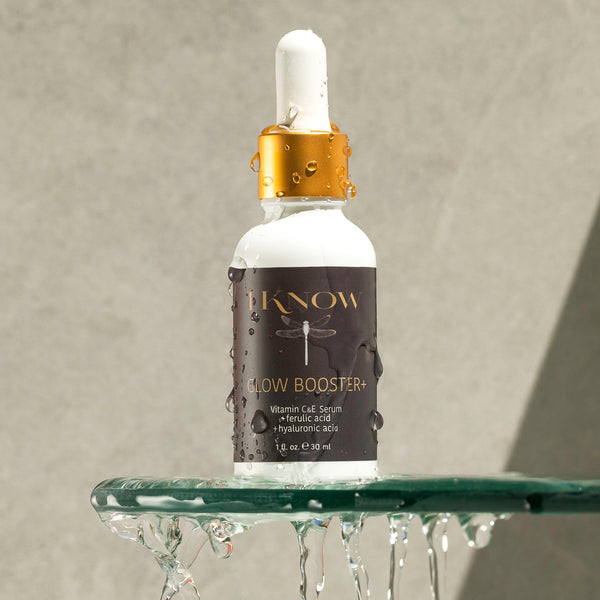
A thoughtfully formulated antioxidant serum can help your skin manage daily environmental pressure. The Glow Booster+ Vitamin C & E Serum combines Vitamin C, Vitamin E, ferulic acid, and hyaluronic acid.
Here is what makes that combination meaningful:
- Vitamin C helps neutralize free radicals and supports a brighter, more even-looking complexion.
- Vitamin E helps defend against oxidative stress and supports the appearance of smoother, more supple skin.
- Ferulic acid provides additional antioxidant support and helps complement Vitamins C and E.
- Hyaluronic acid helps attract and retain moisture for a plumper, rejuvenated appearance.
Apply three to four drops after cleansing in the morning. Dot it across your forehead, cheeks, nose, chin, neck, and décolleté. Blend gently with upward motions, then allow three to five minutes for absorption.
The formula reflects IKNOW’s commitment to clean, transparent skincare: purposeful ingredients, clear product education, and formulations designed with melanin-rich and aging complexions in mind.
The Daily Shield: SPF Is Still Non-Negotiable
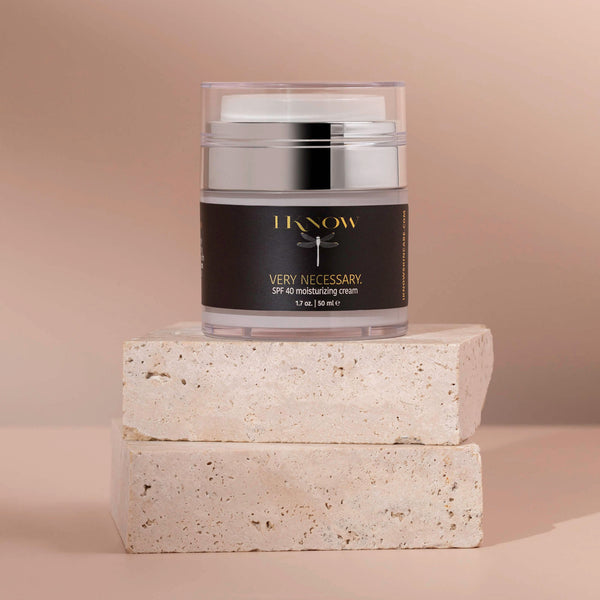
Antioxidants help address free-radical activity, but they do not physically block light. That is where daily sunscreen enters the ceremony.
The Very Necessary. Broad Spectrum SPF 40 Moisturizer provides broad-spectrum UV protection while helping replenish the moisture barrier. Its formula includes aloe vera, shea butter, argan oil, green tea extract, and hyaluronic acid to support skin that feels soft, nourished, and resilient.
Green tea extract adds antioxidant support, while the moisturizer’s broad-spectrum SPF helps shield against UVA and UVB exposure: two well-established contributors to premature photoaging and hyperpigmentation.
Most importantly for melanin-rich complexions, Very Necessary is designed to blend without an ashy cast or white residue. Apply it to your face and neck every morning as the final step of your skincare ritual. Reapply as directed when spending extended time outdoors, sweating, or swimming.
Screen-Smart Strategies
Your device habits can complement your skincare without taking over your life:
- Use night mode or a warmer display setting in the evening.
- Lower screen brightness when practical.
- Keep your phone and laptop at a reasonable distance.
- Take regular screen breaks.
- Prioritize restorative sleep, which supports the skin’s overnight repair processes.
- Use curtains, shade, hats, and protective clothing when outdoors.
- Clean your phone screen regularly so it is not transferring unnecessary residue to your face.
These habits are supportive, not magical. You do not need to avoid your phone or feel guilty about screen time. The goal is to reduce avoidable stress while protecting your confidence inside and out.
Your Pro-Aging Protection Ritual
A practical morning defense can be beautifully simple:
- Cleanse with a gentle facial cleanser.
- Apply Glow Booster+ Vitamin C & E Serum for antioxidant protection and hydration.
- Moisturize and shield with Very Necessary Broad Spectrum SPF 40 Moisturizer.
- Reapply SPF when your day includes prolonged outdoor exposure.
- Cleanse again at night to remove pollution, sunscreen, and daily buildup.
- Nourish your barrier with a hydrating evening moisturizer.
Blue light is a developing area of skincare science, and researchers are still clarifying the precise effect of everyday device exposure. But the broader lesson is already clear: sunlight, pollution, oxidative stress, and inflammation can influence the way skin ages and holds pigment.
Protect your radiant, resilient complexion with knowledge: not alarm. Embrace your skin’s evolution, incorporate antioxidant protection, and get on your pro-aging grind. Your phone can remain part of your life without becoming the star of your skincare story.


