


Your skin has an inherent defense system: and when it is healthy, your complexion can feel hydrated, resilient, and radiant. That defense system is your skin barrier.
Lately, skin barrier repair has become one of the most discussed topics in skincare. The conversation is important, especially for women with melanin-rich and aging skin who may be navigating dryness, sensitivity, uneven tone, hyperpigmentation, or the dreaded ashy cast.
But barrier care is not about chasing “perfect” skin or fighting the natural journey of aging. It is about protecting, preserving, and building your skin to its greatest potential. Think of it as strengthening the foundation beneath your glow.
Barrier Basics: What Is the Skin Barrier?
The skin barrier is the outermost layer of your skin, also called the stratum corneum. It is often described as a brick wall: skin cells act as the bricks, while natural lipids: including ceramides, cholesterol, and fatty acids: act as the mortar holding everything together.
This protective layer helps:
- Keep water inside your skin
- Defend against environmental stressors and irritants
- Support a balanced, comfortable complexion
- Reduce excess moisture loss
- Help maintain smoother-looking texture
According to the Cleveland Clinic, your skin barrier helps keep water in and unwanted chemicals and bacteria out. As skin matures, its ability to replenish itself may slow, making hydration and gentle care even more valuable.
For melanin-rich skin, barrier health also has a special relationship with tone. When skin becomes irritated or inflamed, it may be more likely to develop post-inflammatory hyperpigmentation: dark marks that linger after a blemish, rash, or reaction has settled. A strong barrier supports a calmer canvas for your brightening and age-care rituals.
Damage Detectives: Signs Your Barrier Needs Support
Your skin may be asking for a reset if you notice several of these signs at once:
- Tightness or dryness after cleansing
- Flaking, rough patches, or peeling
- Stinging or burning when products are applied
- New sensitivity to products you previously tolerated
- Itchiness, tenderness, or irritation
- Dullness, grayness, or an ashy appearance
- More visible uneven tone or dark patches
- Breakouts alongside dryness
- Skin that feels less supple and takes longer to recover
On deeper complexions, barrier stress may not always appear as obvious redness. You may notice a change in skin color, increased ashiness, or a dull, uneven look instead.
One sign alone does not tell the whole story. However, if your skin suddenly feels reactive, uncomfortable, or unusually dry, pause and listen. Your complexion is giving you useful information: not failing you.
Common Culprits: What Can Disrupt the Barrier?
Barrier damage can happen gradually or after one particularly aggressive skincare moment. Common causes include:
- Over-exfoliating with scrubs, brushes, AHAs, or BHAs
- Using retinoids too frequently or layering multiple active ingredients
- Cleansing with very hot water
- Washing too often or massaging the skin for too long
- Using harsh soaps or stripping cleansers
- Skipping moisturizer
- Exposure to cold, wind, dry air, pollution, or excessive heat
- Sun exposure without daily protection
- Picking at blemishes or irritating the skin through friction
Sometimes, the quest for brighter skin becomes too intense. We want to fade hyperpigmentation quickly, smooth every line, and refine every pore: but the win takes place in the fourth quarter. Consistency, patience, and protection will take you further than a stifling cycle of irritation and recovery.
Gentle Guidance: Your Skin Barrier Repair Plan
The first rule of skin barrier repair is simple: simplify.
Temporarily reduce strong exfoliants, scrubs, cleansing devices, and active-heavy layering. Focus on a gentle cleanser, nourishing hydration, moisturizer, and sunscreen. Once your skin feels comfortable again, reintroduce targeted treatments slowly: one at a time.
Cleansing Comfort
Clean skin does not have to feel squeaky. In fact, that tight, overly polished sensation may mean too much of your natural moisture has been removed.
Use lukewarm water and cleanse with gentle, circular motions. Feels Great Foaming Face Cleanser is formulated with aloe vera, glycerin, mango butter, pomegranate extract, and white tea extract. It helps purify, smooth, and soften without leaving your complexion feeling stripped.
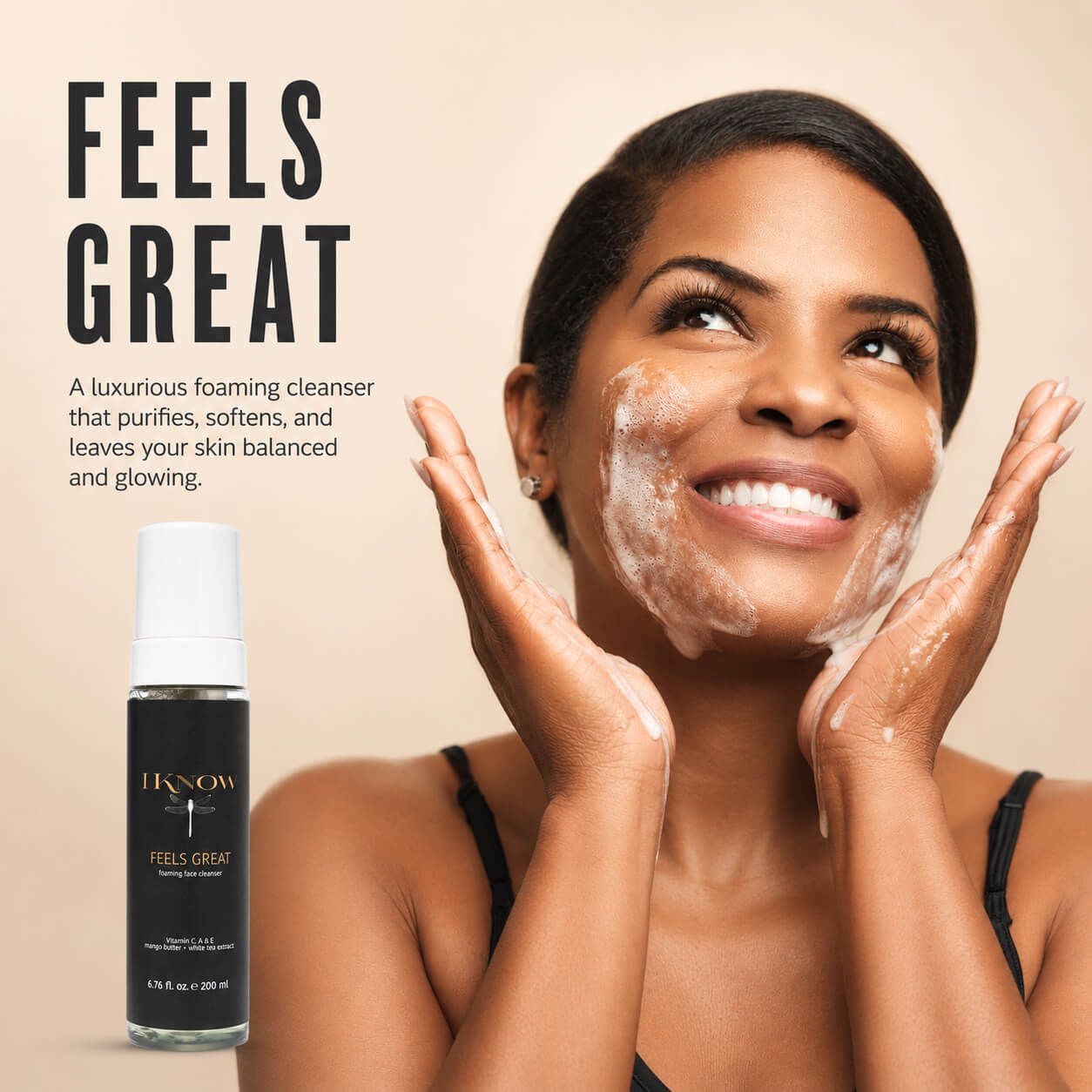
If you wear makeup or water-resistant sunscreen, remove it gently before cleansing rather than scrubbing harder. Your barrier deserves a soft cleanse, not a wrestling match.
Morning Ceremony: Shield and Strengthen
A practical morning ritual for dry, sensitive, melanin-rich, or aging skin can look like this:
- Cleanse gently. Use lukewarm water and a comfortable, non-stripping cleanser. If your skin is very dry and you cleansed thoroughly at night, a water rinse may be enough in the morning.
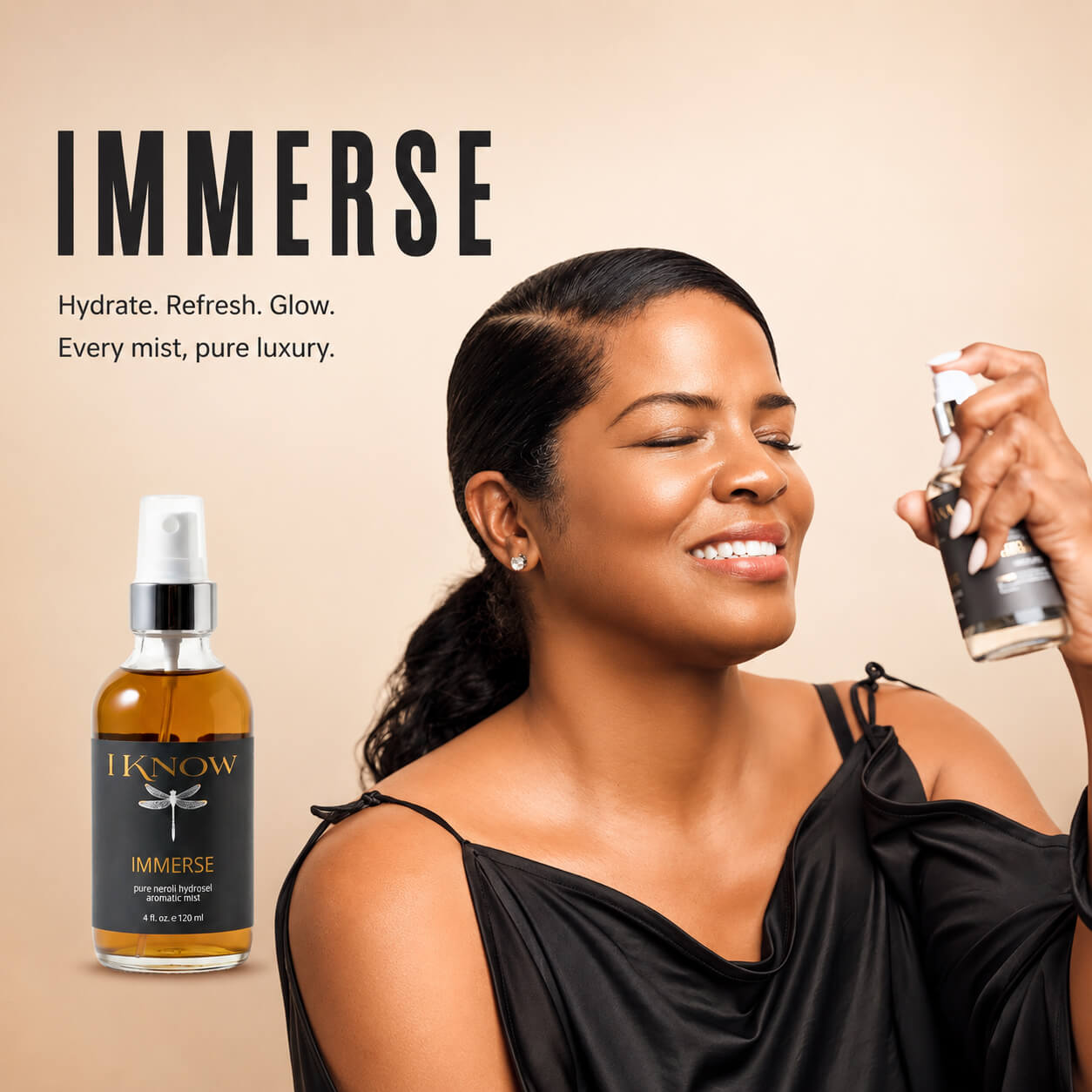
- Replenish with mist. Shake and mist Immerse Pure Neroli Hydrating Toner Mist over your face. Its 100% pure neroli flower water helps purify, hydrate, tone, and calm the complexion.
- Moisturize. Apply a nourishing moisturizer while skin still feels comfortably hydrated.
- Shield with SPF. Finish with Very Necessary Broad Spectrum SPF 40 Moisturizer on your face and neck. Its formula combines broad-spectrum SPF 40 with aloe vera, shea butter, argan oil, and green tea extract to support moisture and daily defense.
Daily sunscreen is essential even when the sky is cloudy or you do not burn. UV exposure can contribute to premature aging and make hyperpigmentation more persistent. Very Necessary is designed to blend into melanin-rich complexions without leaving a white or ashy cast: because protection should look and feel good on every shade.
Evening Ritual: Restore and Replenish
Nighttime is your opportunity to create a slower, more nurturing ceremony:
- Remove makeup and sunscreen gently.
- Cleanse without over-washing. Massage Feels Great Foaming Face Cleanser into damp skin and rinse with lukewarm water.
- Mist and pause. Apply Immerse Pure Neroli Hydrating Toner Mist. Let the moment feel restorative: not rushed.
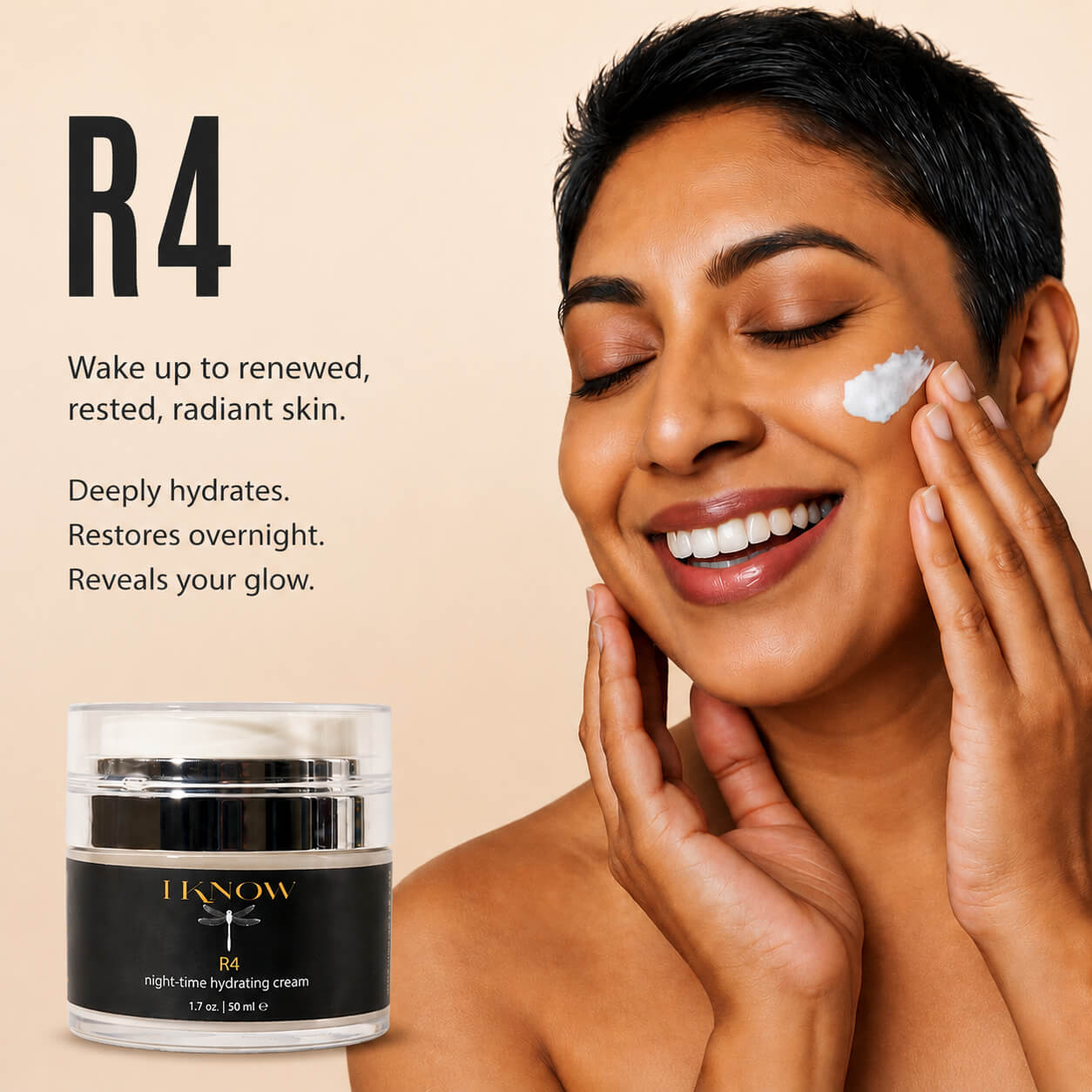
- Moisturize generously. Smooth R4 Night Time Hydrating Moisturizer over your face and neck. Aloe vera, shea butter, argan oil, mango butter, glycerin, hyaluronic acid, and nourishing botanical oils help deliver overnight comfort and suppleness.
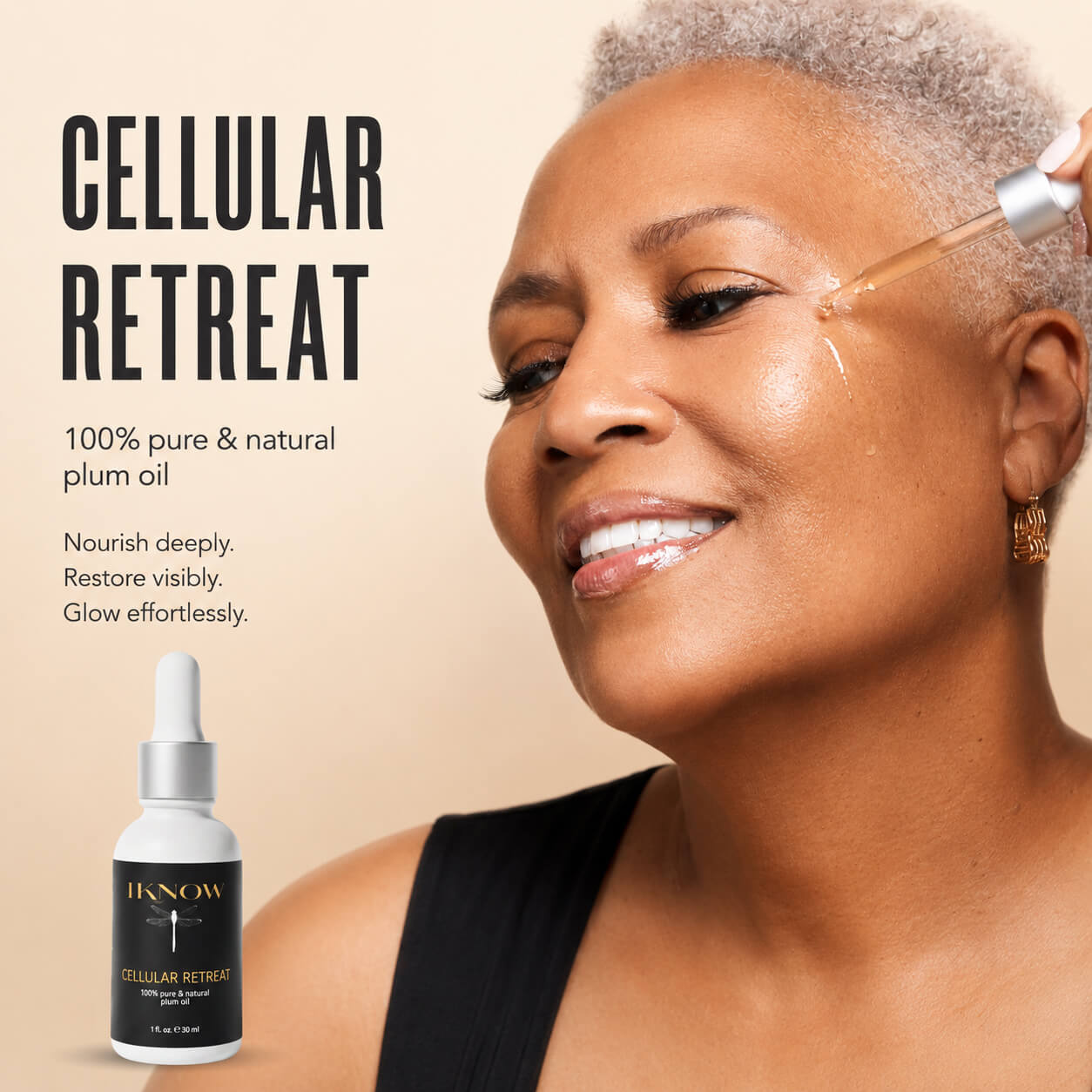
- Seal with a few drops, if needed. For extra nourishment, add Cellular Retreat with Kakadu Plum Oil over R4 or mix a drop into it. This 100% pure and natural plum oil is rich in fatty acids and antioxidants and is designed to support hydration, radiance, and the look of more even tone.
If you use retinol, vitamin C, AHAs, or BHAs, consider reducing frequency while your skin is recovering. Do not stack multiple powerful actives in one evening. Once your skin feels calm and comfortable, reintroduce one treatment at a time: perhaps once or twice weekly at first.
Maintenance Matters: Keep Your Glow Grounded
Barrier care is not a temporary trend. It is the ongoing foundation of a vibrant, pro-aging skincare philosophy.
To maintain your results:
- Keep showers and facial cleansing comfortably warm, not hot.
- Avoid scrubbing or rubbing your face with towels.
- Introduce new products gradually.
- Patch-test products when appropriate.
- Moisturize morning and evening.
- Protect your face, neck, and hands from the sun.
- Give active ingredients time to work.
- Prioritize sleep, hydration, and stress relief when possible.
Remember: healthy skin does not mean skin that never changes. Radiant skin can have fine lines, expressive movement, texture, and a history. It can be resilient, graceful, and beautifully lived-in.
When to Seek Professional Support
If your skin is severely cracked, bleeding, oozing, persistently burning, or showing signs of infection, consult a dermatologist. Ongoing irritation may be related to eczema, psoriasis, contact dermatitis, or another condition requiring professional care.
For most everyday barrier concerns, however, a gentle reset can be a powerful first step. Give your complexion time: often several weeks or longer: to feel more balanced. The goal is not to rush your skin into transformation. The goal is to care for it so consistently that it can reveal its own strength.
Embrace the beauty of your skin’s journey. Start with soothing basics, protect what you have, and get on your pro-aging grind. Your glow is not gone: it is ready to be supported.


